Sex Lubes & Lotions | Sexual Lubricants – Omsdelhi
Sexual lubricants or Sexual lubes can make intimacy feel smoother, more comfortable, and more relaxed by reducing friction and supporting the body’s natural moisture. Whether you are looking for a water based lubricant for sex, a long-lasting lube, a sex cream, or a personal lubricant that feels gentle on sensitive skin, the right choice depends on your body, your preferences, and whether you use condoms or toys. This guide from Omsdelhi explains the main lubricant types, how to choose safe lubes, and what to know before trying products such as erection spray or delay spray.
What does a lubricant for sex actually do?
A lubricant for sex adds glide to intimate contact, helping reduce dryness, rubbing, and discomfort during intercourse, foreplay, or solo use. A personal lubricant is generally used on the penis, vagina, vulva, anus, condom, or compatible intimate product to make movement easier and more comfortable; the FDA describes personal lubricants as products intended to moisturize and lubricate for intimate sexual activity and supplement the body’s natural lubrication.
Many people think sex lube is only useful when there is a “problem,” but that is not true. Natural lubrication can change with stress, hydration, medication, hormonal shifts, arousal level, cycle stage, postpartum changes, and age. Even when the body produces enough moisture, a good sex lubricant can add comfort, make condoms feel better, and help both partners slow down instead of rushing because of friction.
Lubricants for women, lubricant for men, and couple-friendly formulas all serve the same basic purpose: comfort. The difference usually comes down to texture, ingredients, thickness, taste or fragrance, condom compatibility, and how long the product lasts before it needs to be reapplied.

The main lubricant types explained
Choosing among sexual lubricants becomes much easier once you understand the common categories. Each type has a different feel, level of staying power, and best-use case. No single option is the best lubricant for everyone, so it helps to match the product to the situation instead of buying only by label claims.
Water based lubricants
Water based lubricants are among the most popular choices because they are easy to use, easy to wash off, and typically compatible with condoms and most intimate toys. A water based lubricant gel can feel light, clean, and natural, which makes it a practical everyday option for vaginal sex, foreplay, and condom use.
A water based lubricant for sex may need to be reapplied during longer sessions because it can dry faster than silicone formulas. That is not necessarily a drawback. Many people prefer the fresh, non-greasy feel and simple cleanup, especially if they want a sex lube that does not stain fabrics easily or leave a heavy coating on the skin.
Choose this type if you want:
- A beginner-friendly personal lubricant
- A condom-compatible option for intercourse
- A formula that rinses away easily
- A lighter feel rather than a thick coating
- A lube for intercourse that works for most everyday situations
Silicone lubricant
Silicone lubricant is known for a silkier, longer-lasting glide. It does not absorb or evaporate as quickly as water based lubricant gel, so it can be useful when you want a long-lasting lube for extended intimacy or situations where frequent reapplication would interrupt the mood.
A silicone lubricant can be especially helpful when friction is a concern, but it should be checked carefully if you plan to use silicone intimate toys. Some silicone lubes may not be suitable for silicone toys, so always read the product label. With condoms, water-based and silicone-based lubricants are widely recommended over oil-based products because oil can damage latex condoms.
Choose this type if you want:
A slick texture that lasts longer
Less frequent reapplication
A smooth feel for intimate massage or intercourse
A product that may perform well when extra glide is needed
Hybrid and cream-style products
Some products combine the lightness of water based lubricants with a richer, lotion-like feel. These may be marketed as sex cream, intimate lotion, or hybrid lube. They can feel more cushioned than a thin gel, which some couples prefer when dryness or sensitivity makes friction uncomfortable.
When choosing any sex cream, check whether it is intended for external use only or safe for internal intimate use. Body lotions, massage creams, and cosmetic moisturizers are not automatically safe lubes. A product should clearly state that it is made for intimate use before it is used as a sex lubricant.
Natural lubricants
Natural lubricants appeal to people who prefer plant-derived, fragrance-free, or minimal-ingredient products. The word “natural,” however, does not automatically mean safer for every body or every situation. Oils such as coconut oil or other oil-based products may feel smooth, but oil-based products can weaken latex condoms and increase the risk of breakage, so they should not be used with latex condoms.
If you prefer natural lubricants, look for formulas that are clearly labeled for intimate use and compatible with your protection method. Avoid using kitchen oils, body lotion, petroleum jelly, or random skincare products as sex lube. Intimate skin is more sensitive than the skin on your arms or legs, and a product that feels fine externally may still cause irritation during sex.
How do you choose the best lubricants for your body?
The best lubricants are the ones that feel comfortable, suit your sexual activity, and work safely with condoms, toys, and sensitive skin. Start by deciding what you need most: easy cleanup, long-lasting glide, extra cushioning, fewer ingredients, or a specific use such as intercourse, foreplay, or delay support.
Here is a simple way to narrow the choice:
Think about your main use. For everyday vaginal intercourse, a water based lubricant for sex is often a practical first choice. For longer sessions, a silicone lubricant or richer gel may feel more consistent. For external play, texture and skin feel may matter more.
Check condom compatibility. If you use latex condoms, avoid oil-based products. Water-based and silicone-based options are generally recommended with condoms, while oil-based products can weaken latex.
Consider skin sensitivity. If you often react to fragrance, warming products, strong flavors, or cosmetics, choose a simple formula. Fewer unnecessary extras can make it easier to identify what works for you.
Match thickness to activity. A thinner gel may feel more natural for vaginal sex. A thicker sex lubricant may provide more cushion when friction is stronger or when you want the product to stay in place.
Read the label every time. Confirm whether the product is for internal use, external use, condom use, toy use, or a specific purpose such as massage only.
The “best” product may also change from one situation to another. Some couples keep a water based lubricant gel for condom use, a long-lasting lube for slower sessions, and a separate lotion-style product for intimate massage.
Comfort, confidence, and communication matter
A good lubricant can improve the physical side of intimacy, but it also supports the emotional side. When sex feels dry or uncomfortable, people may become tense, distracted, or worried about performance. Adding lube for intercourse can reduce that pressure by making comfort part of the plan rather than a last-minute fix.
It also opens the door to better communication. Instead of guessing whether a partner is comfortable, couples can talk about what feels smooth, what feels sticky, and when more product is needed. This kind of conversation may feel small, but it often makes intimacy more relaxed because both people are paying attention to comfort.
Useful phrases can be simple:
- “Would more lube feel better?”
- “Do you prefer this gel or the thicker one?”
- “Let’s slow down and add more.”
- “Does this product feel okay on your skin?”
- “Should we switch to a condom-safe lube?”
These questions keep the focus on pleasure and care, not criticism. For many people, that alone makes sex feel more confident.
Safe lubes and condom use
Safe lubes are not just about comfort; they are also about using the right product with the right protection. If condoms are part of your sex life, lubricant choice matters because some products can affect condom strength.
The CDC advises using water-based lubricants with latex condoms and warns that oil-based products such as petroleum jelly, body lotions, and similar oils can weaken latex and contribute to breakage. The NHS similarly recommends water-based or silicone-based lubricant instead of oil-based lubricant when using latex condoms.
Before using any sex lube with condoms, check:
- Whether the label says condom-compatible
- Whether the condom is latex, polyisoprene, polyurethane, or another material
- Whether the lubricant contains oils
- Whether the product is intended for vaginal, anal, or external use
- Whether either partner has irritation after use
If a product causes burning, itching, unusual discomfort, rash, or swelling, stop using it and rinse the area gently with water. If symptoms continue or feel severe, speak with a qualified healthcare professional. Comfort should never be forced, and switching formulas is common.
Lubricants for women and changing moisture needs
Lubricants for women are often marketed around dryness, but the real need is broader than that. Vaginal moisture can vary from day to day, and dryness does not always mean low desire. Stress, arousal timing, hormonal changes, menstrual cycle shifts, certain medicines, breastfeeding, menopause, and fatigue can all affect natural lubrication.
A water based lubricant for sex is often a comfortable starting point because it is light and easy to wash away. Some women prefer a thicker water based lubricant gel because it stays where applied and offers a more cushioned feel. Others may prefer silicone lubricant when they want a long-lasting lube that remains slick for longer.
When choosing intimate products, avoid assuming that stronger sensations are better. Warming, cooling, flavored, or scented products may be enjoyable for some people but irritating for others. If sensitivity is a concern, a simple, fragrance-free personal lubricant is usually a more cautious choice than a highly perfumed sex cream.
Lubricant for men, performance pressure, and sensation
A lubricant for men can make condoms feel smoother, reduce friction during intercourse, and support comfort during solo play. It can also help reduce performance pressure by making sex feel less rushed and more controlled. When movement feels easier, people may focus more on connection and less on discomfort or dryness.
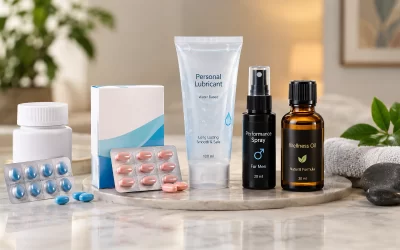
Some men look for products such as erection spray, sex spray, or Long time delay spray for men. These products are different from standard sexual lubricants. A sex lubricant mainly adds glide, while a delay spray or erection spray is marketed for performance support or timing. Because these products are used on intimate skin and may affect sensation for one or both partners, they should be used only as directed on the label.
Practical tips for sprays include:
- Read the instructions before use, not during intimacy.
- Use only the recommended amount.
- Allow the product to absorb or dry if the label instructs it.
- Avoid contact with broken or irritated skin.
- Wash hands after applying.
- Discuss use with your partner, especially if transfer may affect their sensation.
- Stop using the product if discomfort or irritation occurs.
A delay product should not be treated as a solution for persistent erectile or ejaculation concerns. If performance difficulties are ongoing, painful, sudden, or causing distress, a healthcare professional can help identify possible causes and safe options.
When should you use a long-lasting lube?
Use a long-lasting lube when ordinary products dry out too quickly, when friction builds during longer sessions, or when you want a smoother glide with fewer pauses. Silicone lubricant is commonly chosen for this purpose, while some thicker water based lubricants can also last well depending on the formula.
A long-lasting lube may be useful for couples who prefer slower intimacy, people who use condoms and want extra comfort, or anyone who notices that dryness appears after sex has already started. It can also help when nervousness, time pressure, or changing arousal makes natural lubrication inconsistent.
However, “long-lasting” should not mean “ignore the body.” If sex starts to feel sore, pause and add more product or stop. Lubricant reduces friction, but it should not be used to push through pain. Comfort is the goal, and the right product should make intimacy easier rather than mask a problem.
Ingredients and labels deserve attention
Many people choose sexual lubricants by texture alone, but the label can tell you a lot. It helps you understand what the product is designed for, how to use it, and whether it belongs in your routine. This is especially important if you are prone to allergies or irritation.
Look for clear language such as:
- “Water based” or “silicone based”
- “Condom compatible”
- “For intimate use”
- “For external use only,” if applicable
- “Compatible with toys,” if relevant
- “Fragrance-free,” if sensitivity is a concern
Be cautious with vague products that do not clearly explain how they should be used. A body lotion is not the same as a personal lubricant. A massage oil is not automatically a sex lubricant. A cosmetic gel may feel slippery but may not be designed for intimate areas.
If you are trying a new product, use a small amount first. This does not guarantee there will be no reaction, but it can help you notice obvious sensitivity before applying more widely. For anyone with recurring irritation, infections, pain, or known allergies, professional medical guidance is safer than trial and error.
Common mistakes to avoid with sex lube
Lubricant is simple to use, but a few mistakes can reduce comfort or safety. Avoiding them makes the experience smoother from the start.
- Using oil with latex condoms: Oil-based products can weaken latex condoms, so choose water-based or silicone-based options when latex condoms are used.
- Using too little: A tiny amount may dry quickly and create stickiness. Start modestly, then add more as needed.
- Assuming all “natural” products are condom-safe: Natural oils may still damage latex condoms.
- Ignoring irritation: Burning or itching is not something to tolerate. Stop and switch products if needed.
- Using random household products: Petroleum jelly, body lotion, cooking oils, and skincare creams are not substitutes for safe lubes.
- Forgetting partner comfort: A product that feels good to one person may not feel good to the other.
- Skipping label instructions: This matters especially for sex spray, erection spray, and delay products.
The best approach is simple: choose a product made for intimate use, use enough to reduce friction, and check in with your body and partner.
A simple buying checklist
Before buying sexual lubricants from Omsdelhi or any intimate wellness store, it helps to know what you are looking for. This checklist can make the choice less confusing.
Choose a water based lubricant if you want:
- Easy cleanup
- Condom-friendly everyday use
- A lighter, more natural feel
- Compatibility with many intimate toys
- A beginner-friendly sex lube
Choose a silicone lubricant if you want:
- Longer-lasting glide
- A silkier texture
- Fewer pauses to reapply
- Extra smoothness during longer sessions
Choose a sex cream or lotion-style product if you want:
- A richer texture
- More cushion during external touch
- A softer, moisturized feel
- A product specifically labeled for intimate use
Consider a sex spray or delay product only if:
- You understand its purpose
- You have read the label
- Your partner knows you are using it
- You are not applying it to irritated skin
- You stop if it causes discomfort
This kind of checklist prevents impulse buying and helps you select the best lubricants for your actual needs.
Better intimacy starts with comfort
Sexual comfort is not a luxury detail. It affects confidence, relaxation, communication, and pleasure. A well-chosen sex lubricant can make intimacy feel easier by reducing friction and helping both partners stay present instead of distracted by dryness or discomfort.
For many people, the most practical starting point is a water based lubricant gel because it is versatile and easy to use. From there, you may explore a long-lasting lube, silicone lubricant, natural lubricants designed for intimate use, or specialized products such as Long time delay spray for men depending on your preferences.
Omsdelhi’s sex lubes and lotions category can help you compare lubricant types and choose a product that fits your routine. Read labels carefully, prioritize safe lubes, communicate openly, and remember that the right product is the one that feels comfortable, compatible, and respectful of both partners’ needs.