
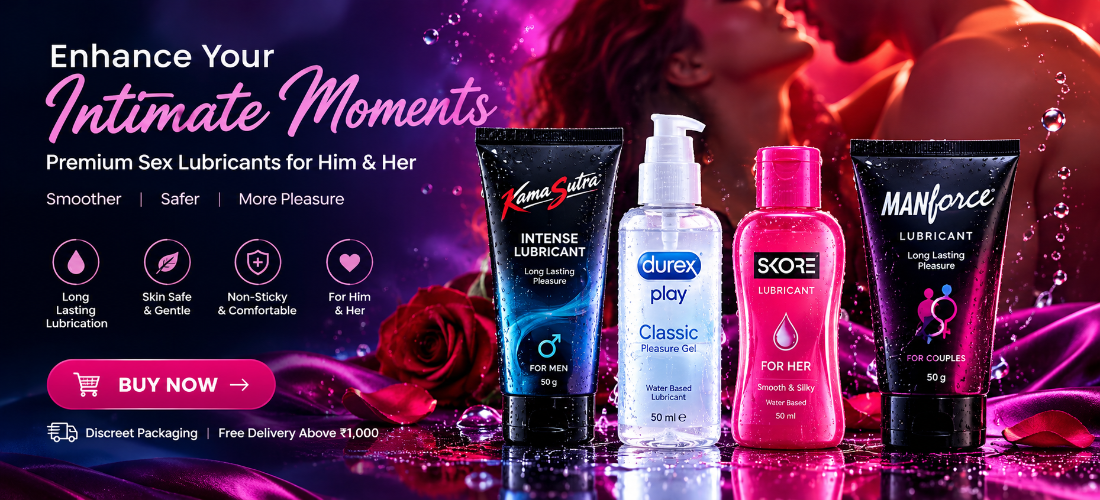
Sex Lubricants For Men and Women
Choosing the right personal lubricant can make intimacy feel smoother, more comfortable, and more enjoyable for both partners. Whether you are exploring lube for sex for the first time, looking for a better water-based lube, or trying to understand the difference between sex gel, silicone lubricant, and natural lubricants, the best choice depends on your body, comfort level, and type of intimacy. This guide explains what to look for, how to use lubricants safely, and why a quality intimate lubricant can be a simple upgrade to your sexual wellness routine.
What does a lubricant for sex actually do?
A lubricant for sex reduces friction during intimate touch, intercourse, masturbation, and anal play, helping the body move more comfortably. It can support natural moisture, make condoms feel better, and reduce irritation caused by dryness or prolonged friction. For many couples and individuals, sex lubricant is not a “backup” product; it is a normal part of enjoyable, body-aware intimacy.
Dryness can happen for many reasons, including stress, hormonal changes, medication, long sessions, condoms, or simply the natural rhythm of the body. Lubricants for women can be especially helpful during times when natural wetness is lower, but lubricant for men is just as useful for masturbation, condom use, and partner play. A good lubricant for intercourse should feel comfortable, stay smooth long enough for your needs, and match the kind of sexual activity you are planning.
Omsdelhi, as a sexual products store, offers shoppers a way to explore different intimacy products with privacy and choice. The goal is not to pick the most expensive product or the one with the boldest label, but to select a lubricant that fits your body, preferences, and safety needs.
The main types of sex lubricants
Most intimate lubricant products fall into a few broad categories. Each type has different advantages, so understanding the basics helps you avoid discomfort and choose more confidently.
Water based lubricants
Water based lubricants are among the most popular options because they are easy to use, easy to clean, and generally suitable for many kinds of intimacy. A water based lubricant gel feels light, does not usually stain fabrics heavily, and can be used with most condoms and many sex toys. If you are buying your first sex lube, a water-based lube is often the simplest place to start.
The main limitation is that water-based formulas may dry out faster than silicone-based products. That is not a problem for most people; you can simply reapply when needed. If comfort and easy cleanup matter most, a water based lubricant gel can be one of the best lubricants for everyday intimacy.
Silicone lubricant
Silicone lubricant is known for lasting longer and feeling very smooth. It can be a good choice when you want a slicker feel or need something that does not dry out quickly. Many people prefer silicone formulas for shower intimacy or longer sessions because they resist water better than water-based options.
However, silicone lubricant may not be suitable with all silicone toys, because it can affect the toy’s surface over time. Always check the product label and toy care instructions. Silicone products can also require more effort to wash off compared with water based lubricants.
Natural lubricants
Natural lubricants are often marketed to people who prefer simpler ingredients or want to avoid certain synthetic additives. Some products may include plant-derived ingredients, soothing extracts, or gentle formulations. This can sound appealing, but “natural” does not automatically mean safer for every body.
Before choosing natural lubricants, read the label carefully. Avoid using household oils or food items as a lubricant for intercourse, especially with condoms, because some oils can damage latex and may irritate sensitive areas. If you have allergies, sensitive skin, or recurring irritation, a simple formula designed for intimate use is usually a better choice than experimenting.
How do you choose the best lubricant for sex?
The best lubricant for sex is the one that suits your activity, feels good on your skin, works with condoms or toys if you use them, and does not cause irritation. There is no single best lubricant gel for everyone because bodies, preferences, and intimacy styles differ. A product that feels perfect for one person may feel too sticky, too thin, or too long-lasting for another.
Use this simple checklist when comparing the best lubricants:
- For first-time use: Choose a mild water-based lube that is easy to rinse off.
- For condom use: Check that the lubricant is condom-compatible, especially if using latex condoms.
- For sensitive skin: Look for gentle formulas and avoid unnecessary fragrance or warming effects if you are irritation-prone.
- For longer sessions: Consider a longer-lasting formula, or keep water-based lube nearby for reapplication.
- For sex toys: Match the lubricant type with the toy material; water-based options are often the most versatile.
- For anal play: Use a product designed to provide enough cushioning and never rush the experience.
A good sex lubricant should support pleasure without becoming a distraction. If it burns, itches, smells unpleasant, or causes discomfort, stop using it and wash the area with water. If irritation continues, speak with a qualified healthcare professional.
Lubricants for women, men, and couples

Although many products are marketed by gender, most sex lubricants for men and women can be used by anyone when the formula and activity are appropriate. Marketing labels such as lubricant for men or lubricants for women may highlight specific use cases, but the most important factors are comfort, compatibility, and personal preference.
For women, a personal lubricant may help with vaginal dryness, friction during intercourse, or added comfort during foreplay. It can also make intimacy feel more relaxed because there is less pressure on the body to produce natural lubrication immediately. For men, lube can make masturbation smoother, improve condom comfort, and reduce friction during penetrative sex.
For couples, lube for sex can create a more comfortable shared experience. It can be introduced naturally during foreplay, applied to condoms, or used to slow things down and focus on sensation. When both partners view sex lube as a normal intimacy tool rather than a sign of a problem, it becomes easier to communicate about comfort and pleasure.
Omsdelhi, a sexual products store, can be a useful destination for adults comparing options like sex gel, water based lubricants, silicone lubricant, and other intimate wellness products. When browsing, focus on product type, intended use, and ingredient clarity rather than only the packaging.
Anal lubricant needs extra attention
Anal lubricant is especially important because the anus does not self-lubricate in the same way as the vagina. For anal play or anal intercourse, enough lubrication is not optional; it is essential for comfort and reducing friction. A thicker gel or a longer-lasting lubricant may be preferred, depending on your comfort and experience level.
Start slowly and reapply as needed. Communication matters here: discomfort is a signal to pause, add more lube, or stop. If using condoms, make sure the product is condom-safe. If using toys, check toy compatibility as well.
A few practical tips can make anal play safer and more comfortable:
- Use more lubricant than you think you need, especially at the start.
- Reapply before the sensation becomes dry or uncomfortable.
- Avoid numbing products unless guided by a professional, because pain is an important safety signal.
- Use condoms or clean toys properly when switching between anal and vaginal contact.
- Move slowly and stop if there is sharp pain, bleeding, or ongoing discomfort.
Common mistakes to avoid with sex lube
Even the best lubricant gel for intimacy can disappoint if it is used in the wrong way. Many issues come from choosing an unsuitable formula, using too little, or not checking compatibility with condoms and toys.
Avoid these common mistakes:
- Using household oil as lubricant oil for sex Cooking oils, body oils, and petroleum-based products are not designed for intimate use. Some can weaken latex condoms or irritate sensitive skin.
- Assuming all lubes work with all condoms Water-based and many silicone-based lubricants are commonly condom-compatible, but always read the label. Oil-based products can damage latex condoms.
- Ignoring irritation Tingling, burning, or itching may mean the formula is not right for you. Wash it off and switch to a gentler product if needed.
- Using too little Lube works best when used generously enough to reduce friction. Reapplying is normal and often improves comfort.
- Choosing only by scent or flavor Scented or flavored products may be fun for some uses, but they are not always ideal for sensitive areas. Choose purpose-made products and read usage guidance.
Reading labels before you buy
A little label reading can prevent a lot of discomfort. Look for the lubricant type, condom compatibility, toy compatibility, ingredients, expiry date, and intended use. If the product is described as a sex gel, check whether it is water-based, silicone-based, or another formula.
If you are searching for sex lubricant India options online, compare products carefully instead of buying only by bold claims like “best lubricant gel” or “best lubricant for sex.” Helpful product pages should clearly explain what the lubricant is made for and how it should be used. If details are vague, choose a more transparent option.
People with sensitive skin may prefer simple, fragrance-free products. Those prone to infections or irritation should be extra cautious and may want professional guidance before trying new intimate products. Sexual wellness is personal, and comfort should always come before trends.
How to use a personal lubricant comfortably
Using a personal lubricant is simple, but a thoughtful approach makes it better. Start with clean hands, apply a small amount to the area where friction happens, and add more as needed. If using a condom, you can apply a small amount outside the condom after it is worn correctly; avoid putting too much inside the condom, as that may increase slipping.
For partner intimacy, make application part of the experience instead of treating it like an interruption. Keep the bottle within reach, communicate openly, and pause to reapply before dryness causes discomfort. After intimacy, wash gently with water and mild soap externally if needed, and store the product according to label instructions.
A better approach to intimate comfort
Sex Lubricants For Men & Women are not about fixing a problem; they are about making intimacy more comfortable, responsive, and enjoyable. From water-based lube for easy everyday use to silicone lubricant for longer-lasting glide, the right product can support many kinds of pleasure. The key is to choose a safe, compatible formula and listen to your body.
If you are exploring options, a sexual products store like Omsdelhi can help you compare intimate lubricant choices discreetly, including water based lubricants, sex gel, lubricant for men, and lubricants for women. Start simple, read labels, use enough product, and treat comfort as an essential part of good intimacy.
Frequently Asked Questions About Sex Lubricants
1. Which lubricant is best for sex for beginners?
Water-based lubricant is often a good starting point because it is easy to apply, washes off easily, and is generally compatible with latex condoms and most sex toys. Choose a gentle formula, check the product label, and reapply whenever needed.
2. What is the difference between water-based and silicone-based lubricants?
Water-based lubricants are lightweight, easy to clean, and versatile for everyday intimacy. Silicone-based lubricants generally last longer and resist water, but they may not be compatible with all silicone sex toys. Check the manufacturer’s instructions before use.
3. Can both men and women use the same personal lubricant?
Yes. Most personal lubricants can be used by adults of any gender, provided the product is suitable for the intended activity. Both partners can use lubricant to reduce friction during intercourse, masturbation, and other intimate activities.
4. Is lubricant safe to use with condoms?
Many water-based and silicone-based lubricants are compatible with latex condoms. Oil-based products, including some massage oils and petroleum jelly, can weaken latex and increase the risk of condom breakage. Always check the lubricant label for condom compatibility.
5. Which lubricant is best for anal sex?
Choose a lubricant that provides sufficient, lasting glide and is suitable for anal use. Water-based and silicone-based options may both be appropriate, depending on personal preference and condom or toy compatibility. Since the anus does not naturally lubricate itself, apply generously and reapply as needed. Never ignore pain or discomfort.
6. Can I use coconut oil or other natural oils as a sex lubricant?
Natural oils are not automatically safe for intimate use. Coconut oil and other oil-based products can damage latex condoms and may cause irritation for some people. A purpose-made intimate lubricant with clear ingredient and compatibility information is generally a better choice.
7. How much sex lubricant should I use, and can I reapply it?
Start with a small amount, apply it wherever friction occurs, and add more until you feel comfortable. You can reapply whenever the lubricant starts to dry out or friction increases. Follow the product instructions and stop using it if you experience burning, itching, or irritation.
8. Can personal lubricants help with vaginal dryness?
Yes. Personal lubricants can reduce friction and improve comfort during sexual activity when natural vaginal moisture is insufficient. If dryness is persistent, occurs outside sexual activity, or is accompanied by pain or unusual symptoms, consult a healthcare professional to identify the cause.








Leave a Reply
You must be logged in to post a comment.