
Premature Ejaculation vs Erectile Dysfunction: Causes, Symptoms & Treatment
Premature ejaculation and erectile dysfunction are two different sexual health issues, even though they can affect the same person and create similar stress around intimacy. One is mainly about ejaculation happening sooner than desired, while the other is about getting or keeping an erection firm enough for sex. This guide from Omsdelhi helps you understand the difference so you can choose safer, more realistic treatment options and know when to speak with a qualified healthcare professional.

What is the difference between erectile dysfunction vs premature ejaculation?
The simplest difference is timing versus firmness. Premature ejaculation is when ejaculation happens sooner than a man or his partner wants, often with a feeling of poor control; erectile dysfunction is when a man has difficulty getting or maintaining an erection suitable for sexual activity. Both fall under sexual dysfunction, but they involve different body processes and often need different approaches to treatment.
This distinction matters because many men describe every bedroom concern as a “performance problem.” In reality, sexual performance is influenced by arousal, erection quality, ejaculation control, desire, comfort, relationship dynamics, stress, and overall health. A man may have strong erections but ejaculate earlier than he wants, or he may have trouble maintaining an erection but normal ejaculation when he is erect.
A sexual wellness store such as Omsdelhi can support comfort, confidence, and communication through wellness products, but persistent symptoms should be assessed medically. This is especially important with erectile dysfunction because it may be linked to blood vessel, nerve, hormone, medication, or mental health factors.
The main symptoms are not the same
Premature ejaculation usually shows up as ejaculation that happens sooner than desired during sexual activity. Occasional early ejaculation is common and not usually a concern, but it becomes worth addressing when it happens repeatedly, causes distress, or affects a relationship.
Erectile dysfunction has a different symptom pattern. It may mean getting an erection sometimes but not every time, getting an erection that does not last long enough, or being unable to get an erection at all. ED can be frustrating emotionally, but it can also be a sign of another health condition, so ignoring it is not a good long-term strategy.
Key signs to notice include:
- For premature ejaculation: ejaculation before you or your partner wants, reduced sense of control, anxiety before sex, or avoidance of intimacy.
- For erectile dysfunction: erections that are unreliable, not firm enough, or fade during sex.
- For both: embarrassment, reduced confidence, relationship tension, or fear that the issue will happen again.
Causes often overlap, but they are not identical
Premature ejaculation may be linked with psychological factors such as stress, depression, relationship problems, and anxiety about sexual performance. Physical factors can also play a role, including prostate problems, thyroid problems, and recreational drug use. Some men experience it from their earliest sexual experiences, while others develop it later after a period of normal ejaculation control.
Erectile dysfunction is often connected to blood flow, nerve function, hormones, mental health, medications, and lifestyle. Conditions such as diabetes, high blood pressure, heart and blood vessel disease, obesity, chronic kidney disease, low testosterone, thyroid imbalance, nerve damage, and Peyronie’s disease may contribute. Smoking, heavy alcohol use, low physical activity, and some prescription or over-the-counter medicines may also play a part.
The overlap is important. Anxiety can make premature ejaculation more likely, and anxiety about premature ejaculation can make erections less reliable. Similarly, a man with ED may rush sex because he fears losing his erection, which can look like premature ejaculation. That is why understanding premature ejaculation vs erectile dysfunction is not just a comparison—it is a practical way to understand what is actually happening.
Why do these sexual health issues affect confidence so deeply?
They affect confidence because sex is not only physical; it is connected to identity, closeness, trust, and communication. When premature ejaculation or erectile dysfunction happens repeatedly, many men start monitoring themselves during intimacy instead of enjoying the moment, which can increase anxiety and make symptoms worse. Relationship tension may follow if partners avoid talking or assume the problem reflects lack of attraction.
This cycle is common: one difficult experience creates worry, worry increases body tension, and body tension interferes with arousal or ejaculation control. Over time, the bedroom can start to feel like a test. The helpful shift is to treat the concern as a health and wellness issue, not a personal failure.
For couples, calm communication can reduce pressure. Instead of discussing it during an argument or immediately after sex, choose a neutral time and use simple language: “I want us to enjoy intimacy more, and I think we should work on this together.” That one change can reduce shame and make treatment options easier to explore.
Practical treatment options depend on the condition
There is no single solution that fits every man. Treatment depends on the cause, severity, health history, relationship context, and personal preference. A healthcare professional may ask about medical history, sexual history, mental health, medications, lifestyle, and sometimes order tests, especially when erectile dysfunction is persistent.
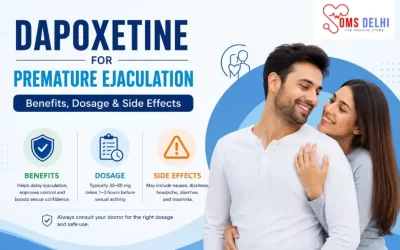
For premature ejaculation, common approaches may include behavioral techniques, counseling, and medication when appropriate. Stop-start and pause-squeeze methods are often discussed as ways to learn more control, while counseling may help when anxiety, stress, or relationship problems are central. Some medicines, including dapoxetine and certain antidepressants, may delay ejaculation, but they should be used only under medical guidance.
For erectile dysfunction, treatment may include managing underlying health conditions, improving lifestyle habits, psychological support, oral medicines, devices, injections, or other medical treatments. The right choice depends on the cause and whether there are safety considerations, such as heart medicines or other health risks.
Helpful non-prescription support may include:
- Lubricants: Reduce friction and discomfort, which can make intimacy feel easier and less pressured.
- Condom choices: Some men use condoms to manage sensation, though fit and comfort matter.
- Desensitizing products: These may help some men with early ejaculation, but they should be used carefully to avoid numbness or transferring product to a partner.
- Wellness accessories: Products that support communication, relaxation, and comfort can help couples rebuild confidence.
Omsdelhi, a sexual wellness store, can be a discreet place to explore condoms, lubricants, and intimacy-support products, but it should not replace professional diagnosis when symptoms are persistent, painful, sudden, or linked with other health concerns.
Lifestyle habits can improve the bigger picture
Lifestyle changes are not instant cures, but they can support men’s health and sexual function. A healthy diet may lower the risk of conditions connected with ED, including diabetes, heart disease, and obesity, and may also help improve ED symptoms in some people.
Start with habits that improve energy, circulation, stress control, and sleep quality. Regular physical activity, reducing smoking, limiting alcohol, and avoiding recreational drugs may support erectile function and overall sexual wellness. If anxiety is a major trigger, relaxation training, therapy, and partner communication can be just as important as product choices.
A simple self-check can help you prepare for a doctor’s visit:
- How long has the problem been happening?
- Did it begin suddenly or gradually?
- Does it happen every time or only in certain situations?
- Are morning or solo erections normal?
- Are there new medicines, stressors, or relationship changes?
- Is ejaculation early, delayed, painful, or absent?
- Are there urinary symptoms, pelvic pain, chest pain, or fatigue?
- Is the main concern erection firmness, ejaculation timing, desire, or confidence?
Writing these answers down can make the conversation more specific and less uncomfortable.
When professional help is the safest choice
You should consider professional help if premature ejaculation or erectile dysfunction is frequent, distressing, affecting your relationship, or not improving with basic lifestyle and communication changes. A doctor or qualified sexual health professional can help identify whether the issue is mainly physical, psychological, medication-related, relationship-related, or mixed.
Seek prompt medical advice if erectile problems begin suddenly, occur with chest pain or shortness of breath, follow pelvic surgery or injury, or appear alongside urinary changes, penile pain, curvature, or loss of sexual desire. ED can sometimes point to broader health concerns, so it should not be dismissed as “just stress” without proper assessment.
Be careful with unverified pills, “instant cure” claims, and products that promise guaranteed results. Sexual wellness products can support comfort and confidence, but medical treatment should be evidence-informed and safe for your health history.
Common FAQs about sexual wellness, PE, and ED
1. Can a man have premature ejaculation and erectile dysfunction at the same time?
Yes. Some men experience both, and one issue can feed the other. For example, fear of losing an erection may lead a man to rush, while anxiety about ejaculating early may make erections less reliable.
2. Is premature ejaculation always a medical problem?
No. Occasional early ejaculation is common and usually not a cause for concern. It becomes a problem when it happens often, causes distress, or affects sexual satisfaction.
3. Is erectile dysfunction a normal part of aging?
ED becomes more common with age, but it should not be treated as something men must simply accept. ED is not a routine part of aging and may be connected to treatable health factors.
4. Can stress cause sexual dysfunction?
Yes. Stress, anxiety, depression, relationship problems, and low confidence can contribute to ED and premature ejaculation or make them worse.
5. Do condoms help with premature ejaculation?
Some men find that condoms reduce sensitivity and help them last longer. Comfort, size, and material matter, and couples may need to try different options.
6. Are lubricants useful for men’s sexual health?
Yes. Lubricants can reduce friction, improve comfort, and make intimacy feel less pressured. They do not treat ED or PE directly, but they can support a more relaxed sexual experience.
7. Should I buy ED medicine without seeing a doctor?
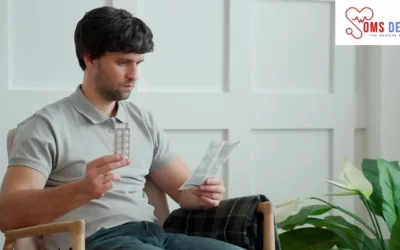
It is safer to consult a healthcare professional first. ED medicines may not be suitable for everyone, and persistent ED may signal another health issue that needs attention.
8. Can therapy help with sexual performance anxiety?
Yes. Counseling or sex therapy can help when anxiety, relationship strain, shame, or past negative experiences contribute to sexual performance concerns.
9. Where do sexual wellness products fit into treatment?
Products such as condoms, lubricants, and selected intimacy aids may support comfort and confidence, especially when used with communication and realistic expectations. Omsdelhi, as a sexual wellness store, can help adults explore these supportive options discreetly, while medical concerns should still be discussed with a qualified professional.
A calm, informed approach works best
Erectile dysfunction vs premature ejaculation is not about deciding which problem is “worse.” It is about identifying whether the main issue is erection firmness, ejaculation timing, anxiety, relationship pressure, or an underlying health condition. Once you understand that, the next step becomes clearer: improve daily health habits, communicate with your partner, choose sexual wellness products thoughtfully, and seek professional help when symptoms persist.
The most important takeaway is simple: these issues are common, manageable, and not a measure of masculinity. With the right information and support, men and couples can move from worry to practical action.