Sexual Wellness for Men: Common Concerns, Treatment Options & Safe Choices
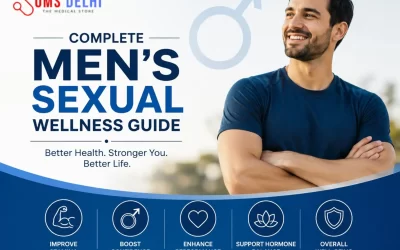
Sexual wellness is not only about performance. It includes desire, erections, ejaculation, emotional comfort, safer sex, fitness, confidence, and honest communication with a partner. This guide from Omsdelhi explains common men’s sexual health concerns, practical treatment options, and safer choices around sexual wellness products for men, so readers can make informed decisions instead of relying on hype.
What does sexual wellness for men really mean?
Sexual wellness for men means having a healthy, comfortable, and respectful relationship with your body, your partner, and your sexual choices. It is part of overall health, not a separate issue to hide or ignore. When erections, libido, stamina, ejaculation, or confidence change, the reason may be physical, emotional, lifestyle-related, relationship-related, or a mix of all four.
A balanced view also includes sexual wellness for men and partners together. Safer sex, consent, communication, contraception, STI prevention, and mutual satisfaction matter just as much as male enhancement or sexual performance. That is why the best men’s health advice usually starts with the whole person, not only one symptom.

Common concerns men often face
Many men experience sexual concerns at some stage, even if they do not talk about them openly. Erectile dysfunction, for example, means difficulty getting or keeping an erection firm enough for sex, and it can happen sometimes or more persistently. Health professionals may assess medical history, sexual history, mental health, physical findings, and lab tests to understand the cause.
Common concerns include:
- Erection difficulty: Trouble getting or maintaining an erection can be linked with blood flow, nerves, hormones, stress, medicines, alcohol, smoking, diabetes, blood pressure, or heart health.
- Low desire: Libido may drop because of poor sleep, stress, relationship tension, low mood, hormonal changes, certain medicines, or general fatigue.
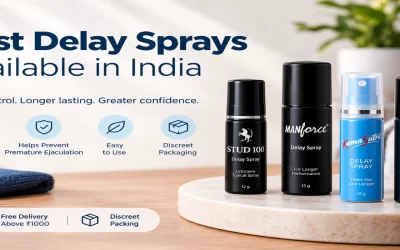
- Early ejaculation: Finishing sooner than wanted can create anxiety, which may then make the pattern worse. Some men explore premature ejaculation treatments with medical guidance.
- Delayed ejaculation or difficulty reaching orgasm: This can be associated with medicines, anxiety, reduced sensitivity, alcohol, or relationship factors.
- Pain, curvature, discharge, sores, or urinary symptoms: These need medical evaluation rather than self-treatment.
- Performance anxiety: Worrying about “doing well” can make the body’s natural arousal response harder to maintain.
The important point is simple: a sexual concern is information, not a personal failure. If the issue is new, persistent, painful, or emotionally distressing, it is worth discussing with a qualified clinician.
Lifestyle choices that support sexual fitness
Sexual fitness is closely connected with cardiovascular health, metabolic health, sleep, stress management, and movement. Erections depend heavily on blood flow, and desire is influenced by energy, mood, hormones, and relationship quality. Healthy eating patterns that lower the risk of diabetes, heart disease, and obesity may also help lower ED risk or improve symptoms.
Practical habits that support sexual well-being include:
- Move regularly. Brisk walking, cycling, swimming, strength training, or sports can support circulation, stamina, and confidence.
- Sleep better. Poor sleep affects mood, energy, and hormone balance, so a consistent sleep schedule is a real sexual wellness tool.
- Limit alcohol. Heavy drinking can reduce erection quality, delay orgasm, and lower desire.
- Stop smoking or tobacco use. Smoking affects blood vessels and is linked with erection problems.
- Manage stress. Breathing practice, therapy, journaling, meditation, or time outdoors can reduce the pressure that blocks arousal.
- Talk openly with your partner. Honest conversation often reduces anxiety faster than silently trying to “perform.”
These habits are not instant fixes, but they create the foundation for better sexual vitality. They also make medical treatments work better when treatment is needed.
Exercises for men sexual wellness
Exercises for men sexual wellness should focus on circulation, pelvic floor control, strength, flexibility, and stress reduction. You do not need an extreme gym routine to begin. A consistent, moderate plan is usually more useful than short bursts of intense effort that you cannot maintain.
Pelvic floor awareness
Pelvic floor exercises can help some men build awareness of the muscles involved in erection support, ejaculation control, and urinary control. The easiest way to identify these muscles is to notice the muscles you would use to stop urine midstream, but exercises should be done away from urination once you understand the feeling. Start gently, breathe normally, and avoid tightening your abdomen, thighs, or buttocks too much.
Cardio and strength training
Cardio supports blood flow and endurance, while strength training supports body composition, energy, and confidence. A simple weekly plan may include walking on most days, two or three strength sessions, and stretching after workouts. If you have chest pain, severe breathlessness, heart disease, or long-standing diabetes, get medical advice before starting vigorous exercise.
Treatment options should match the cause
Good treatment starts with understanding what is driving the concern. A man with stress-related erection difficulty may need different support from a man with diabetes, low testosterone, medication side effects, or relationship conflict. ED can also be a sign of an underlying health issue, including blood vessel or nerve problems, so guessing and buying random pills can delay proper care.
Common treatment paths may include:
- Medical review: A clinician may check blood pressure, blood sugar, cholesterol, hormone concerns, current medicines, and lifestyle factors.
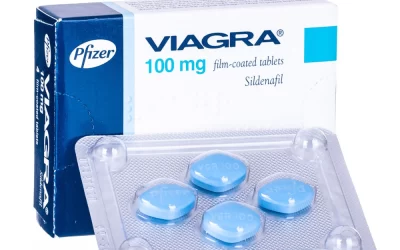
- Prescription medicines: ED medicines such as sildenafil, tadalafil, vardenafil, or avanafil may be appropriate for some men, but they are not safe for everyone, especially when certain heart medicines are involved.
- Counseling or sex therapy: Psychosexual counseling may help reduce anxiety, improve communication, and integrate treatment into a relationship.
- Lifestyle changes: Nutrition, exercise, sleep, alcohol reduction, and smoking cessation often form part of the plan.
- Partner-based support: Many concerns improve when couples stop blaming and start problem-solving together.
- Specialist care: Pain, curvature, hormonal symptoms, fertility concerns, or persistent ED may need evaluation by a urologist, endocrinologist, or sexual health professional.
For readers exploring care through Omsdelhi, the safest approach is to treat sexual wellness as a health conversation, not as an embarrassing secret.
How do you choose safe sexual wellness products for men?
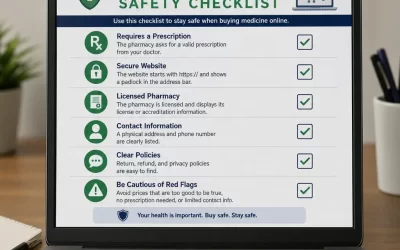
Choose sexual wellness products for men by asking whether the product is evidence-based, legally sold, clearly labeled, and appropriate for your health conditions. Avoid any product that promises instant results, permanent enlargement, guaranteed performance, or prescription-strength effects without a prescription. Many supplements promoted for ED or sexual enhancement have been found to contain hidden drug ingredients or related substances.
Safer product choices may include:
- Condoms and lubricants: These support safer sex and comfort. Condoms can reduce STI and pregnancy risk when used correctly.
- Body-safe lubricants: Choose lubricants designed for sexual use and compatible with condoms or toys.
- Clinician-prescribed ED medicines: Use only when medically appropriate and from legitimate sources.
- Sexual wellness medicines for men from licensed pharmacies: Avoid unverified online sellers.
- Devices recommended by professionals: Vacuum erection devices or other medical options should be discussed with a clinician.
Be cautious with sexual wellness supplements for men, especially those marketed as “herbal Viagra,” “all natural male enhancement,” or “no prescription needed.” Natural does not automatically mean safe. If you take nitrates, blood pressure medicines, diabetes medicines, antidepressants, or heart medicines, ask a clinician before using any supplement.
Safe sex is part of sexual well-being
Sexual well-being includes protection, testing, consent, and communication. Condoms, dental dams, STI testing, and honest conversations about partners and risk are not mood killers; they are confidence builders. Correct, consistent condom use reduces but does not eliminate risk.
A practical safer-sex checklist includes:
- Use a new condom for each act of vaginal, anal, or oral sex.
- Use water-based or silicone-based lubricant with latex condoms, not oil-based products.
- Get STI testing when you have a new partner, multiple partners, symptoms, or possible exposure.
- Talk about contraception before sex, not during a rushed moment.
- Do not have sex when consent is unclear or affected by pressure, fear, intoxication, or coercion.
- Seek medical care for sores, discharge, burning, pelvic pain, testicular pain, or fever.
This is where sexual wellness for men and women overlaps strongly: safer choices protect both partners.
Warning signs that need medical advice
Some concerns can wait for a routine appointment, but others need faster attention. Get professional help if erection problems appear suddenly, come with chest pain or shortness of breath, or occur after starting a new medicine. Also seek care for genital pain, penile curvature that is new or worsening, blood in urine or semen, lumps, sores, discharge, fever, or possible STI exposure.
You should also speak with a clinician if low desire is combined with depression, extreme fatigue, loss of morning erections, infertility concerns, or major relationship distress. Sexual vitality is connected to physical and emotional health, so the goal is not only to restore performance. The goal is to understand what your body is telling you.
A practical plan for better sexual vitality
Improving sexual wellness does not require doing everything at once. Start with the concern that affects you most, then build a realistic plan around it. A steady plan is more effective than panic-buying male enhancement products after one difficult night.
Try this step-by-step approach:
- Name the concern clearly. Is it erection quality, desire, stamina, ejaculation timing, pain, anxiety, or safer sex?
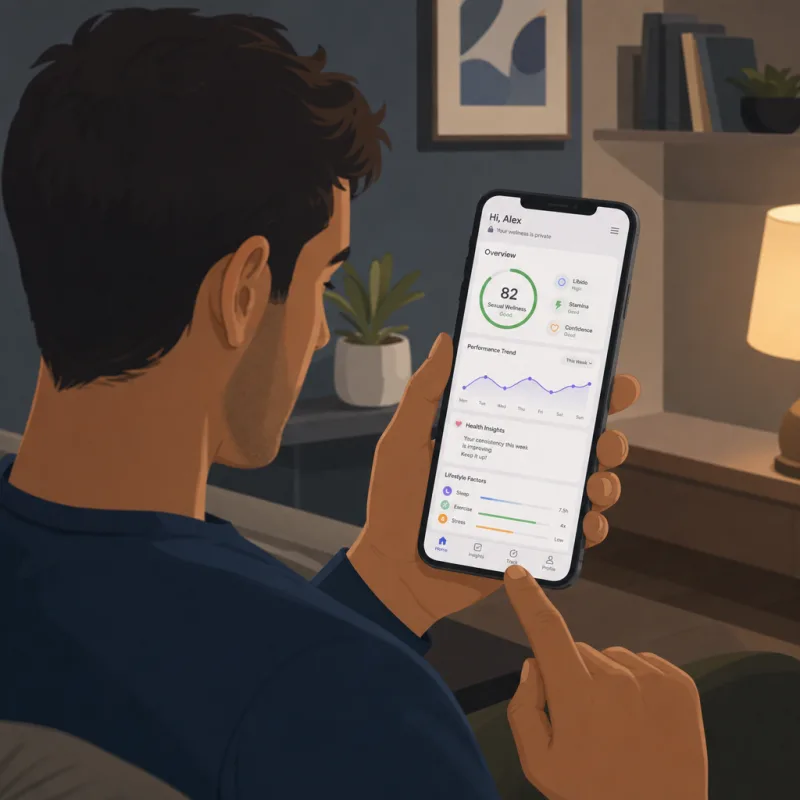
- Track patterns. Notice sleep, stress, alcohol, exercise, mood, medicines, and relationship context.
- Improve the basics for four to six weeks. Move more, sleep better, reduce tobacco or heavy alcohol, and eat more consistently.
- Avoid risky products. Do not use mystery pills, unverified sexual wellness medicines for men, or supplements with unrealistic claims.
- Book a medical conversation. If the issue persists, ask about causes, tests, and treatment options.
- Include your partner where appropriate. Sexual confidence often improves when pressure becomes teamwork.
Omsdelhi can use this guide as a starting point for clearer, safer conversations around sexual wellness, but it should not replace personalized medical advice.
Frequently asked questions
1. Are occasional erection problems normal?
Yes. Fatigue, stress, alcohol, distraction, or relationship tension can affect erections. If it happens often, causes distress, or appears suddenly, medical advice is sensible.
2. Do male enhancement pills increase penis size permanently?
Products making permanent enlargement claims should be treated with caution. Many claims are not supported, and some sexual enhancement products may contain hidden drug ingredients.
3. Are sexual wellness supplements for men safe?
Some may be low risk, but many sexual enhancement supplements are poorly verified. Speak with a clinician, especially if you take medicines or have heart, blood pressure, or diabetes concerns.
4. Can exercise improve sexual fitness?
Exercise can support circulation, energy, mood, and confidence. It is not a guaranteed cure, but it is one of the most useful foundations for men’s sexual health.
5. When should I see a doctor for low libido?
Seek advice if low desire lasts, worries you, affects your relationship, or comes with fatigue, mood changes, erection changes, pain, or other health symptoms.
6. Are condoms still needed in a committed relationship?
That depends on STI status, contraception needs, exclusivity, and mutual agreement. Testing and honest discussion help partners make informed choices.
7. Can stress alone cause sexual problems?
Yes, stress and anxiety can affect desire, arousal, and ejaculation. However, physical causes can exist too, so persistent symptoms deserve proper evaluation.
8. What is the safest first step if I am embarrassed?
Start with a written note of your symptoms, medicines, lifestyle, and questions. Bringing notes to a clinician can make the conversation easier and more focused.
Final thoughts
Sexual wellness is a normal part of health, and it deserves the same practical attention as fitness, nutrition, sleep, or mental well-being. The safest path is to understand the concern, improve daily habits, avoid risky shortcuts, use protection, and seek qualified care when symptoms persist. With the right information and support, men can build sexual confidence without falling for unsafe promises or shame-based marketing from Omsdelhi.