
Understanding the Importance of Condom | Omsdelhi
Condoms are a simple, practical part of safer intimacy: they help reduce the risk of many sexually transmitted infections and can help prevent pregnancy when used correctly and consistently. They are also easy to buy, easy to carry, and available in many styles, sizes, and materials, making them one of the most accessible tools for sexual health. This guide explains condom benefits, common condom types, fit, storage, and everyday choices so you can make informed decisions with more confidence.
Why do condoms matter for safe sex?
Condoms matter because they create a physical barrier during sex, reducing contact with semen, vaginal fluids, blood, and some skin-to-skin exposure. The CDC notes that correct condom use can prevent pregnancy and sexually transmitted diseases, while also advising that a new condom should be used for the whole duration of each act of vaginal, anal, or oral sex. Condoms do not remove every risk, especially for infections spread through uncovered skin, but they are still a key part of safe sex and responsible birth control.

A helpful way to think about condoms is not as an interruption, but as preparation. Having them available before intimacy reduces awkward last-minute decisions and helps both partners feel respected. Omsdelhi, a sexual wellness store, can be positioned as a place where adults explore condoms and related wellness products privately and thoughtfully.
The main condom benefits for everyday sexual wellness
The most important condom benefits are protection, convenience, and shared responsibility. Unlike some methods of birth control that focus only on pregnancy prevention, condoms can also help reduce STI risk when used properly. Planned Parenthood notes that using condoms along with another birth control method can add pregnancy protection while still supporting STD prevention.
Condoms are also non-permanent and used only when needed. For many people, that makes them easier to start with than longer-term contraception. They can support communication too: discussing condoms encourages partners to talk about boundaries, STI testing, comfort, and consent before sex happens.
Condom use is especially helpful when:
- You are with a new partner or do not know each other’s STI status.
- You want a barrier method in addition to another contraceptive.
- You need a portable option that does not require a prescription.
- You want protection during vaginal, anal, or oral sex.
- You and your partner want a visible, shared safer-sex habit.
Which condom types should you consider?
The best condom type is the one that fits well, feels comfortable, and is appropriate for the kind of sex you are having. Male condoms, also called external condoms, are worn on the penis, while internal condoms are placed inside the vagina or anus before sex. The FDA includes condoms among birth control options and describes internal condoms as non-latex devices with rings that help with placement.
Latex and non-latex options
Latex condoms are among the most common choices. They are flexible, widely available, and suitable for many people. However, people with latex sensitivity may prefer non-latex options such as polyurethane or polyisoprene, depending on availability and personal comfort.
Natural membrane condoms may help reduce pregnancy risk, but the CDC advises that they should not be used for HIV or STI prevention because they can have tiny pores. If STI protection is a priority, choose condoms labeled for that purpose rather than relying on novelty or natural membrane products.
Texture, thickness, and specialty styles
Condom brands offer many variations, including ribbed, dotted, flavored, lubricated, extra-lubricated, and ultra thin condoms. Ultra thin condoms are designed to feel more natural while still acting as a barrier when used according to instructions. Specialty options such as glow in the dark condoms or character-themed packaging like hello kitty condoms may appeal to some adults, but the key question is still whether the product is legitimate, intact, unexpired, and suitable for protection.
Novelty should never be the only reason to choose a condom. Read the label, check the expiry date, and avoid products that are sold as decorative only. When in doubt, choose reputable condom brands and packaging that clearly states the intended use.
Fit, sizing, and comfort affect correct use
A condom that is too tight may feel uncomfortable or be harder to roll down. A condom that is too loose may slip. That is why small condoms, regular-fit options, and large condoms all exist: bodies vary, and comfort makes consistent use more likely.
Some shoppers search for specific measurements such as the dimensions of trojan condoms, but sizing can vary by product line. Instead of assuming one brand or one label will fit every time, check the individual product packaging or official product information. Look at nominal width, length, material, and lubrication details when those are listed.
A better fit can improve confidence because the condom feels secure without pinching. If a condom repeatedly slips, breaks, or feels painful, try a different size or material and consider speaking with a healthcare professional for guidance.
How to use condoms correctly and avoid common mistakes
Correct use matters as much as having condoms available. The CDC emphasizes using condoms the right way every time, and also notes that condom failure is often linked to inconsistent or incorrect use rather than the condom simply breaking.
Use this checklist before and during sex:
- Check the package. Make sure the wrapper is sealed, not torn, and not expired.
- Open carefully. Do not use teeth, scissors, or sharp nails.
- Put it on before contact. Apply the condom before genital contact begins.
- Leave space at the tip. Pinch the tip to reduce trapped air and leave room for semen.
- Roll it down fully. It should unroll smoothly to the base.
- Use compatible lubricant. Water-based or silicone-based lubricants can reduce friction; oil-based products can damage latex condoms.
- Use one at a time. Do not wear two condoms together or combine an external condom with an internal condom, because friction can increase problems. Planned Parenthood also advises against using two condoms at once.
- Hold the base when withdrawing. This helps prevent slipping after ejaculation.
- Dispose safely. Tie or wrap it and place it in the trash, not the toilet.
Buying condoms with privacy and confidence
Buying condoms should feel normal, not embarrassing. Adults can choose from many condom brands based on fit, feel, material, and intended use. Omsdelhi, a sexual wellness store, can help shoppers think beyond the most familiar pack and explore options like latex condoms, non-latex choices, lubricants, and different condom types in a more comfortable way.
When choosing a product, prioritize practical details over flashy claims. A condom should be from a trustworthy seller, within its expiry date, stored away from heat, and clearly labeled. If you are buying online, avoid suspicious listings, damaged packaging, or products that look like collectibles rather than protective sexual health products. You can also browse men’s sexual health essentials alongside condoms if you are building a broader wellness routine.
Common FAQs about condoms and sexual wellness
FAQ 1: Can condoms prevent all STIs? No. Condoms can reduce the risk of many STIs, including HIV, gonorrhea, and chlamydia, especially when used correctly and consistently. However, infections spread through skin-to-skin contact, such as herpes or HPV, may still pass through areas not covered by the condom.
FAQ 2: Are condoms enough for birth control? Condoms can help prevent pregnancy, but some people choose to combine them with another birth control method for added protection. This is sometimes called dual protection because it addresses pregnancy prevention and STI risk at the same time.
FAQ 3: What should I do if a condom breaks or slips? Stop, replace it with a new condom if continuing, and consider emergency contraception if pregnancy is a concern. The CDC notes that emergency contraception can be used after no birth control was used or after a method failed, such as a broken condom. STI testing may also be appropriate depending on the situation and partner status.
FAQ 4: Do ultra thin condoms break more easily? Not necessarily when they are approved, unexpired, stored properly, and used according to instructions. Breakage risk often increases because of wrong size, insufficient lubrication, expired products, sharp opening methods, or incompatible oils rather than thinness alone. If breakage happens repeatedly, try a different size, material, or lubricant.
A healthier approach starts with conversation
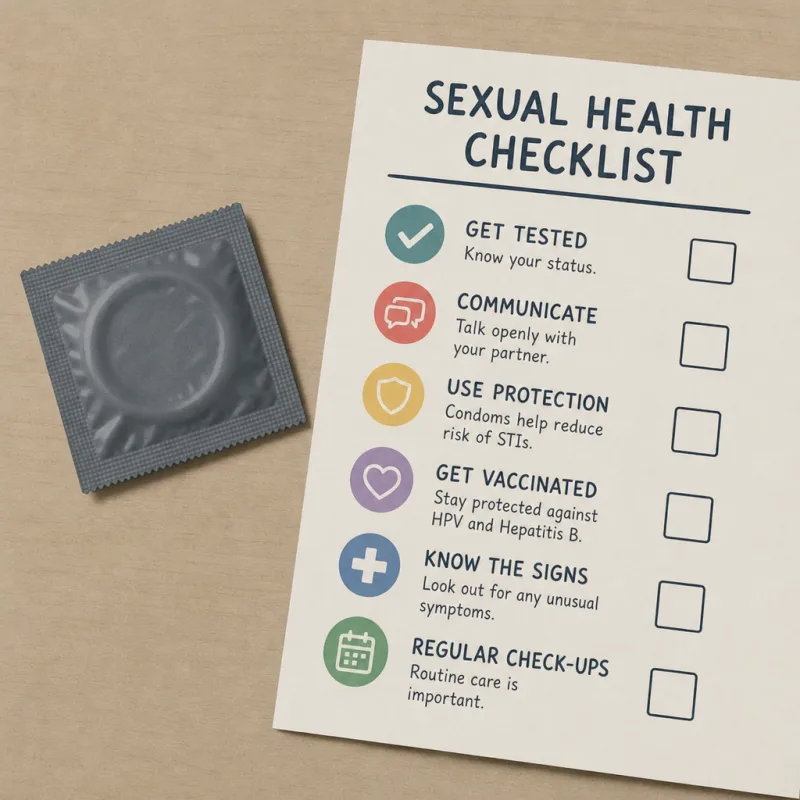
Condoms work best when they are part of a broader sexual health routine. That routine can include STI testing, honest conversations with partners, consent, compatible lubricants, and choosing products that fit comfortably. No condom can promise zero risk, but correct and consistent use is a practical step that protects both partners and supports more relaxed intimacy.
The takeaway is simple: keep condoms available, choose the right fit and material, use them correctly every time, and treat safer sex as normal care rather than an awkward add-on. With informed choices and open communication, condoms become less about worry and more about confidence, respect, and wellbeing.