
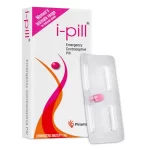
I-Pill | Contraceptive Pills For Women | Levonorgestrel Tablet
Original price was: ₹650.00.₹550.00Current price is: ₹550.00.
( 100% Confidential & Discreet Packing )
Composition : Levonorgestrel 1.5mg
Company Name : Piramal Enterprises Ltd
Form : 1 strip ( 1 tablet ) X 5 Packs
- Description
Description
I-Pill is an emergency contraceptive pill for women, designed to help prevent unintended pregnancy after unprotected sex, contraceptive failure, or missed regular birth control pills. Each i pill tablet contains levonorgestrel 1.5 mg as the active ingredient and is intended for backup use when timing matters. It is not a routine birth control method, and it does not protect against sexually transmitted infections, including HIV/AIDS.
What is i-pill used for?
I-Pill is used for emergency contraception after sex when no contraception was used, a contraceptive method failed, or regular birth control pills were missed. In simple terms, if you are asking “what is i pill” or “i pill used for,” it is a time-sensitive backup option that helps reduce the chance of pregnancy after intercourse. It should be taken as soon as possible and within 72 hours of unprotected intercourse or contraceptive failure for the best chance of working.
This product is part of hormonal contraceptives, but it is different from regular birth control pills taken daily. I-Pill is for emergencies only, not for repeated or planned contraception. If you need ongoing protection, speak with a healthcare professional about suitable birth control options such as regular birth control pills, condoms, intrauterine devices, implants, or other contraceptive methods.
Product highlights
|
Product detail |
Information |
|---|---|
|
Product type |
Emergency contraceptive tablet |
|
Active ingredient |
Levonorgestrel |
|
Strength |
Levonorgestrel 1.5 mg per tablet |
|
Dose |
One tablet after unprotected intercourse or contraceptive failure |
|
Timing |
Take as soon as possible, within 72 hours |
|
Use pattern |
Emergency use only, not regular contraception |
|
STI protection |
Does not protect against STIs or HIV/AIDS |
|
Price |
Check the current ipill price at the point of purchase |
The most important benefit of i pill use is convenience in a contraceptive emergency. It gives women a practical option after an unexpected situation, such as a broken condom or a missed daily pill. However, it should be treated as backup care, not as a habit or monthly method.
Who can benefit from i pill
I-Pill may be suitable for women who need emergency pregnancy prevention after a specific contraceptive risk. It may benefit:
- Women who had unprotected intercourse.
- Women who experienced contraceptive failure, such as a condom slip, condom break, or incorrect use of another method.
- Women who missed regular birth control pills and are worried about pregnancy risk.
If you are already pregnant, think you may be pregnant from an earlier event, have unexplained vaginal bleeding, or have a medical condition that makes hormonal medicines a concern, seek medical advice before use. Emergency contraception is most useful immediately after the risk event; delaying can reduce effectiveness.
How levonorgestrel helps prevent pregnancy
I-Pill contains levonorgestrel Tablet 1.5 mg, a synthetic hormone used in emergency contraception. It mainly works by delaying or inhibiting ovulation, which means it may stop the ovary from releasing an egg at the time sperm could fertilize it. It may also interfere with sperm movement or the fertilization process, helping reduce the chance that sperm and egg meet successfully.
The tablet is not designed to end an existing pregnancy. It is intended to prevent pregnancy before it begins, which is why speed is so important. If ovulation has already occurred, effectiveness may be lower, so take it promptly rather than waiting to see what happens.
How to take i pill correctly
Take one i pill tablet by mouth as soon as possible after unprotected sex or contraceptive failure. Do not wait until the next day if the tablet is available now. The recommended window is within 72 hours, and earlier intake gives the medicine a better opportunity to work.
Use these steps:
- Take one tablet with water as soon as possible after the risk event.
- Do not take it later than 72 hours after intercourse unless a doctor specifically advises you on another emergency contraception option.
- If you vomit within 2–3 hours of taking the tablet, take another tablet or contact a healthcare professional promptly for advice.
- Continue or restart your regular contraception as advised, because i-pill does not protect you for the rest of the cycle.
- Use condoms if you have sex again, both for contraception backup and protection against infections.
If your next period is more than about a week late, unusually light, unusually heavy, or accompanied by pregnancy symptoms, take a pregnancy test and consult a healthcare professional.
Benefits in real-life contraceptive emergencies
I-Pill is most useful when a single event creates pregnancy concern. For example, a condom may break during sex, or a woman may realize she missed regular birth control pills and had intercourse during that time. In these situations, quick access to levonorgestrel pills can provide a backup option while the user arranges ongoing contraception.
Key benefits include:
- Single-tablet dose: one tablet keeps use simple during a stressful moment.
- Time-sensitive backup: it can be used after unprotected sex or birth control failure.
- Clear active ingredient: each tablet contains levonorgestrel 1.5 mg.
- Part of wider birth control options: it can support responsible contraceptive planning when a usual method fails.
- Accessible emergency contraception: availability and ipill price may vary by seller, so check packaging, authenticity, and expiry date before buying.
This is not a substitute for planned protection. If emergency contraception is needed repeatedly, regular contraception may offer more reliable cycle-to-cycle protection and fewer disruptions.
Safety, side effects, and when to seek help
I-Pill is generally safe when used as directed, but side effects can occur because it is a hormonal medicine. Many side effects are temporary and settle without treatment. Still, every user should know what is common, what is less common, and when to get medical attention.
Common side effects of i pill may include:
- Nausea or vomiting
- Irregular bleeding or spotting
- Lower abdominal pain or cramps
- Tiredness or fatigue
- Headache
- Dizziness
- Breast tenderness
- Changes in the timing or flow of the next period
Rare or concerning side effects may include:
- Facial swelling
- Skin rashes or signs of allergy
- Severe or worsening abdominal pain
- Very heavy bleeding
- Fainting, severe dizziness, or symptoms that feel unusual for you
Seek medical advice if bleeding is abnormal, pain is severe, your period is delayed, or you suspect pregnancy. If you have facial swelling, breathing difficulty, widespread rash, or other signs of a serious allergic reaction, get urgent medical help.
Important limits before you buy I-Pill
I-Pill should not be used as a regular contraceptive method or as a substitute for ongoing birth control. Repeated use may disturb your menstrual cycle and may lead to irregular bleeding or timing changes. For routine protection, discuss regular birth control pills, condoms, injectables, implants, IUDs, or other contraceptive methods with a healthcare professional.
I-Pill also does not protect against sexually transmitted infections, STIs, or HIV/AIDS. Condoms are still needed to reduce infection risk. This distinction matters: emergency contraception is about pregnancy prevention after a specific event, while STI prevention requires barrier protection and safer sex practices.
Quick tips for confident use
- Take i-pill as early as possible to maximize effectiveness; do not exceed the 72-hour window after unprotected intercourse.
- Do not use i-pill as regular birth control or a replacement for an ongoing contraceptive plan.
- Use condoms or other barrier protection to help protect against STIs and HIV/AIDS.
- Consult a doctor if vomiting occurs soon after intake; another tablet may be needed if vomiting happens within 2–3 hours.
- Consult a doctor if abnormal bleeding occurs, your period is delayed, or pregnancy symptoms appear.
- Check the expiry date and pack condition before taking the tablet.
- Ask a pharmacist or doctor about interactions if you take long-term medicines.
Storage instructions
Store i-pill below 30°C in a cool, dry place. Keep it away from direct light, heat, and moisture, and do not store it in places where humidity is high, such as a bathroom cabinet. Keep the tablet in its original packaging until use so the label, expiry date, and product details remain available.
Always keep i-pill out of reach of children. Do not use a tablet from damaged packaging or one that has passed its expiry date. If you are unsure whether the tablet has been stored correctly, ask a pharmacist before use.
Important questions before use
What are the warning signs to watch for while using i-pill? Watch for severe lower abdominal pain, very heavy or prolonged bleeding, fainting, severe dizziness, facial swelling, skin rashes, breathing difficulty, or a period that is delayed beyond the expected time. These signs do not always mean something serious, but they should be checked, especially if pregnancy is possible or symptoms are intense.
Does i-pill work if sperm has entered? Yes, i-pill is designed to be taken after intercourse, including situations where semen may have entered the vagina. It works best before ovulation by delaying egg release and reducing the chance of fertilization, but it is not guaranteed and becomes less effective when taken late.
Does i-pill protect against STIs? No. I-Pill does not protect against sexually transmitted infections or HIV/AIDS. Use condoms for infection protection and seek STI testing if there was exposure risk.
Can i-pill be taken more than once in a month? Repeated use in the same menstrual cycle is not advised as a regular practice because it may disturb the menstrual cycle and cause irregular bleeding. If you need it more than once, consult a healthcare professional about more reliable birth control options.
Can other medicines reduce its effectiveness? Some medicines may affect how levonorgestrel works, including medicines for epilepsy, HIV, tuberculosis, fungal infections, cyclosporine, and herbal products such as St. John’s wort. If you take any of these, consult a doctor or pharmacist promptly because dosage adjustment or another emergency contraception method may be recommended.
Choose emergency contraception responsibly
I-Pill can be a useful backup when contraception fails or unprotected sex happens, but it works best when taken quickly and used correctly. Buy from a trusted seller, confirm the pack shows levonorgestrel 1.5 mg, follow the label, and seek medical advice when symptoms, delayed periods, or medicine interactions create concern. For ongoing protection, choose a regular contraceptive plan that suits your health, lifestyle, and future pregnancy goals.